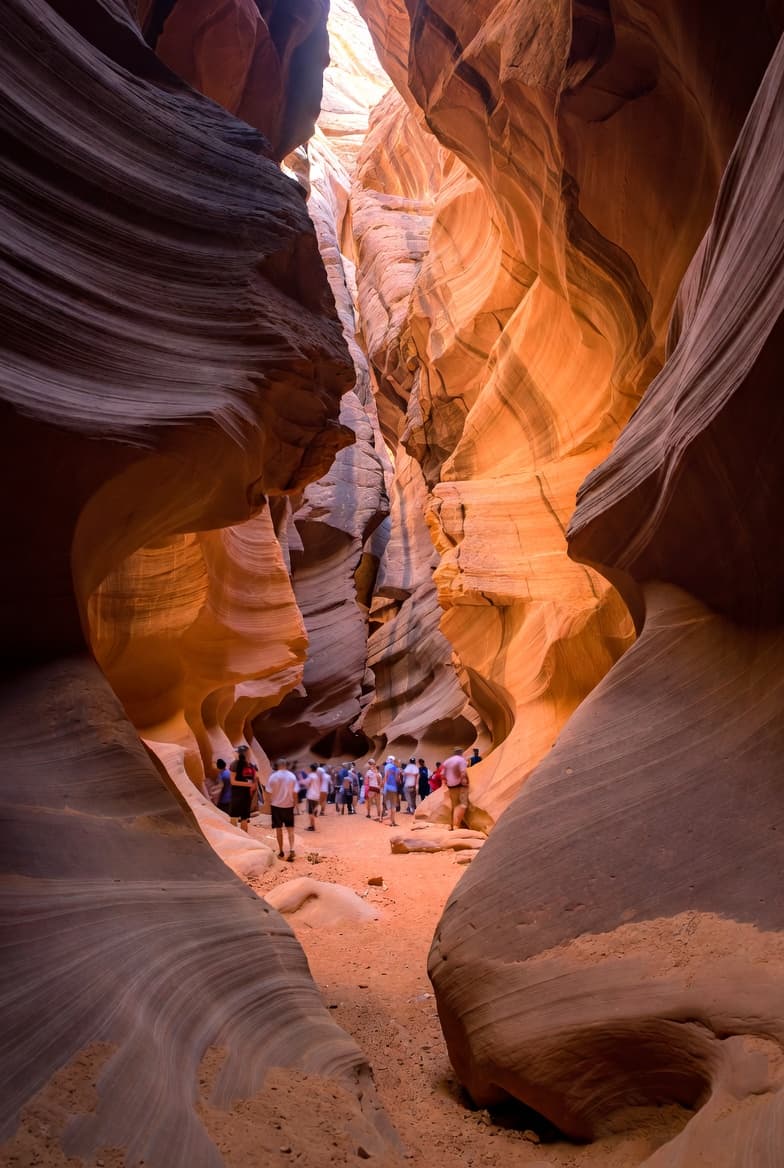
Planning a trip to Antelope Canyon and Horseshoe Bend from Las Vegas comes with a lot of questions. When are the light beams strongest? Which month has the best weather? How early do you need to book? Does it matter what time of day you go?
The good news: there is no truly bad time to visit. The canyon is open year-round, and Horseshoe Bend is always dramatic. But timing absolutely affects the experience — especially inside Antelope Canyon, where the famous light beams only appear during a specific window each day. Here's everything you need to know.
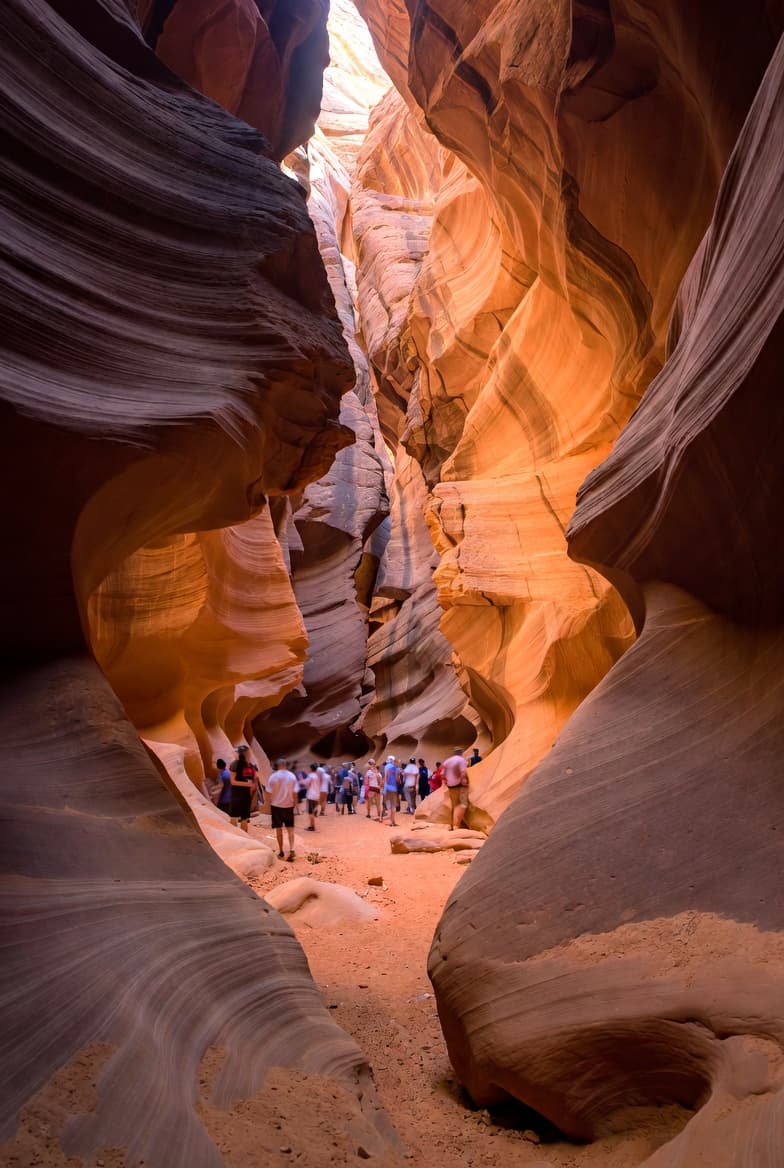
The light beams appear when the sun is directly overhead — timing is everything
Best Overall Time to Visit: Quick Answer
| Season | Months | Overall Rating |
|---|---|---|
| Spring | March – May | ⭐⭐⭐⭐⭐ Excellent |
| Summer | June – August | ⭐⭐⭐⭐ Best light beams (hot) |
| Fall | September – November | ⭐⭐⭐⭐⭐ Excellent |
| Winter | December – February | ⭐⭐⭐ Good (no beams) |
When Are the Light Beams Strongest?
This is the question most people care about most — and rightfully so. The light beams are what make Antelope Canyon unlike any other place on Earth.
The beams form when sunlight enters the narrow slot openings overhead and hits dust particles in the air, creating visible columns of light that appear to pour down the canyon walls. For this to happen, the sun needs to be nearly directly overhead — which limits the window to roughly 10:00 AM – 1:30 PM on clear days.
This window is most dramatic from late March through early October, when the sun's angle is high enough in the sky. The absolute peak is around the summer solstice (late June), when the sun is at its highest point and the beams are most intense. Outside this seasonal window — particularly in winter — the sun angle is too low, and the beams don't appear.
On the Marvittours tour, your arrival at Antelope Canyon is already timed to fall within this window. You don't need to research or coordinate the timing — the tour departs Las Vegas at a time calculated to arrive during peak beam hours. Your Navajo guide will position you in exactly the right spots.
Full-Day Tour from Las Vegas
Antelope Canyon & Horseshoe Bend
Timing optimized for light beams · Navajo guide · All fees included · Hotel pickup
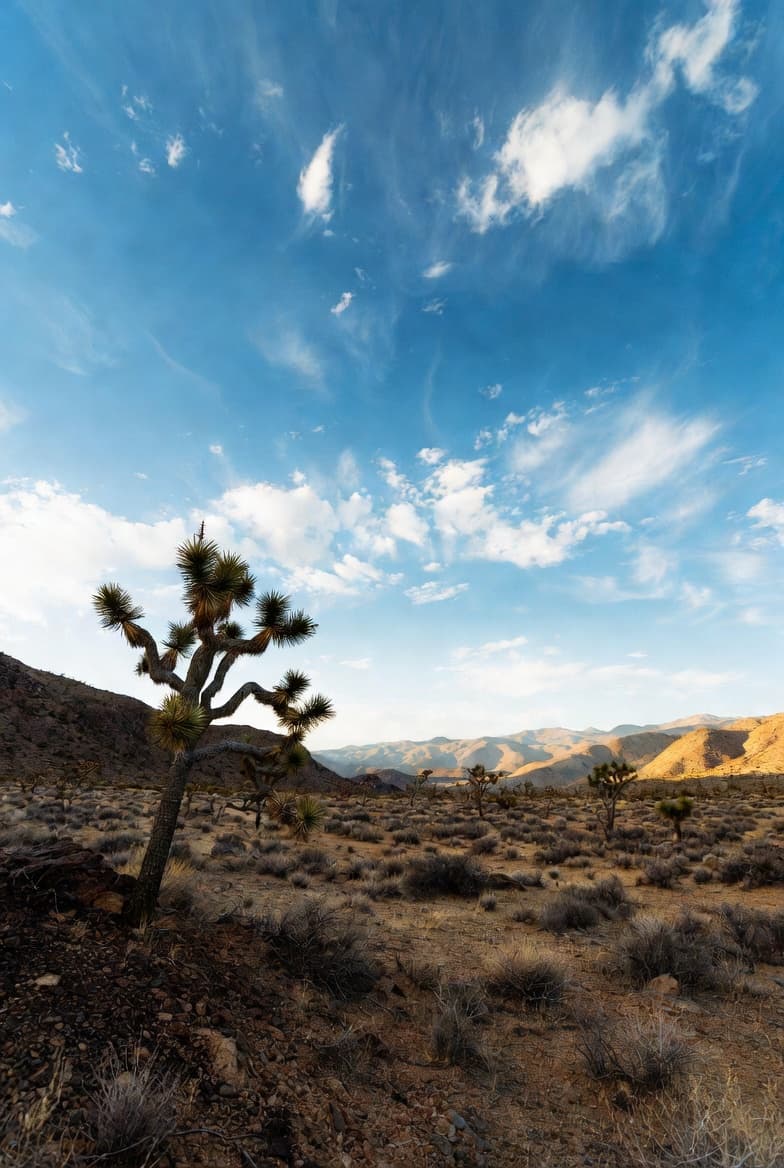
The 4-hour drive to Page, Arizona passes through stunning desert scenery
Visiting in Spring (March – May)
Spring is one of the two best seasons to visit. Temperatures in Page, Arizona range from 60–85°F (15–29°C) — warm and comfortable, with cool mornings and pleasant afternoons. The light beams are active from late March onward, growing stronger as the sun climbs higher each week.
- Pros: Comfortable temperatures, strong light beams (from late March), beautiful desert wildflowers on the drive, moderate crowds compared to summer
- Cons: Spring break (late March to mid-April) brings peak crowds — book well in advance. March can have occasional wind and dust
- Book ahead: At least 3–4 weeks for spring break period; 1–2 weeks for April–May
- Best for: Families, first-timers, anyone who wants a balance of good weather and strong beams
Visiting in Summer (June – August)
Summer is the peak season for light beams. The sun is at its highest arc across the sky, and from late June the beams are at their most intense — thick, bright, and dramatically visible even without perfect dust conditions. If the light beams are your primary reason for going, summer delivers them at their absolute best.
The trade-off is heat. Page, Arizona in July regularly hits 100°F (38°C) or above. The walk to Horseshoe Bend is exposed and can be brutal in the afternoon. Hydration is not optional — it's essential.
- Pros: Best light beams of the year (especially June–July), long days, high availability of tour slots
- Cons: Extreme heat, highest crowds, permits sell out weeks in advance
- Essential: 2 liters of water per person minimum, SPF 50+ sunscreen, hat, breathable clothing
- Book ahead: 4–6 weeks minimum in July and August
- Best for: Travelers who prioritize the light beam experience above all else
Visiting in Fall (September – November)
Fall is our recommended season for most travelers. Temperatures drop to a comfortable 65–85°F (18–29°C) after Labor Day. The light beams are still active through mid-October — slightly less intense than summer but still dramatic. Crowds thin out significantly after September, meaning a more relaxed experience at Antelope Canyon and Horseshoe Bend.
October is particularly good: warm days, cool mornings, excellent canyon light in the afternoon, and the desert landscape takes on warm amber tones that make the drive even more photogenic.
- Pros: Best weather balance, active light beams through mid-October, fewer crowds, beautiful desert colors
- Cons: Beams weaken in November as the sun angle drops; November mornings can be chilly
- Book ahead: 1–2 weeks typically sufficient, except around Labor Day
- Best for: Photographers, couples, anyone who wants a quieter, more comfortable experience
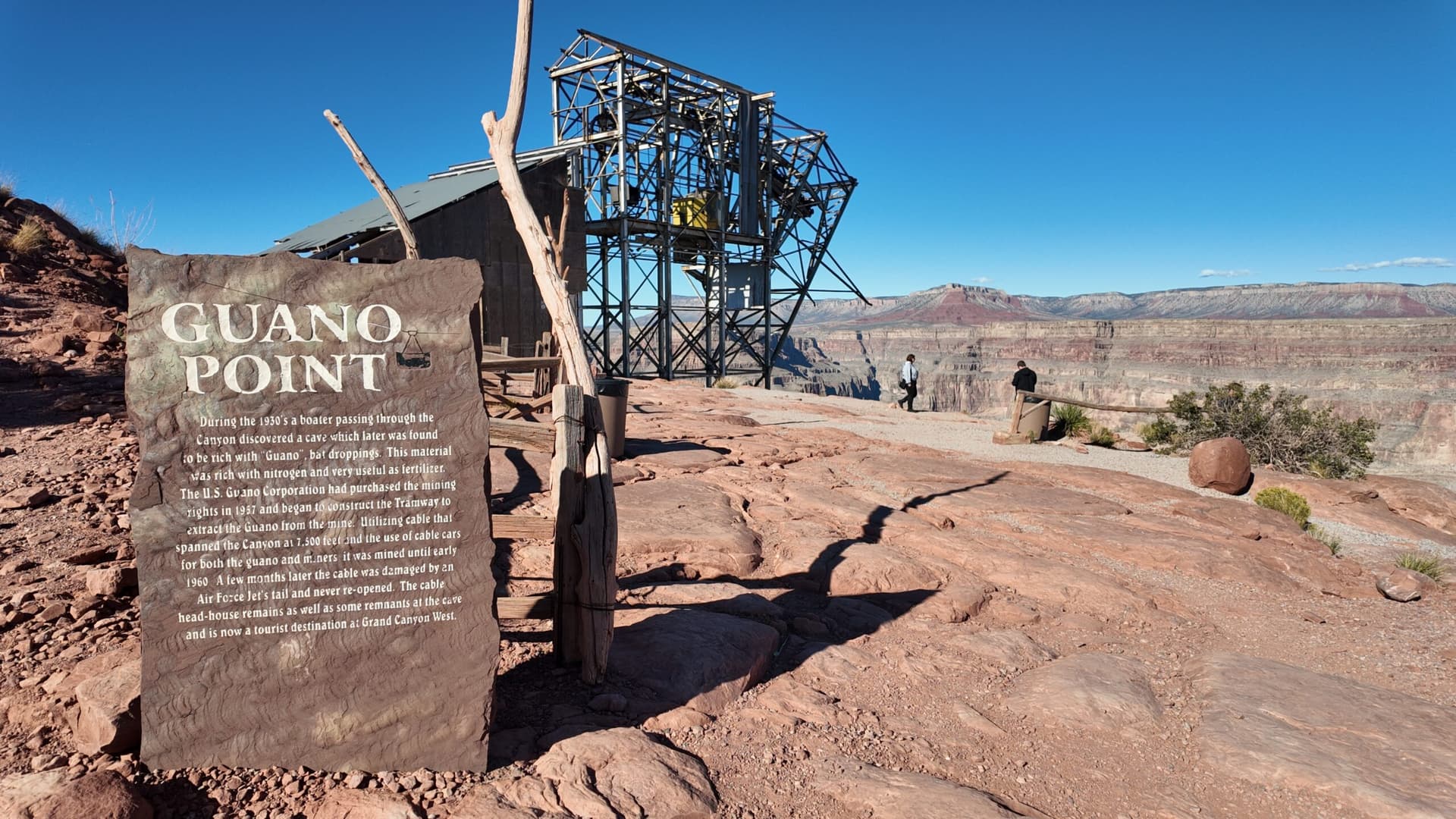
Fall afternoon light in canyon country — warm, golden, and far less crowded than summer
Visiting in Winter (December – February)
Winter is the most underrated season — with one important caveat. From November through February, the sun angle is too low for the famous light beams to form. You'll still see Antelope Canyon in its full beauty — the colors, the curves, the extraordinary sandstone formations — but without the dramatic light shafts.
The upside: winter has the fewest crowds by far. You'll move through the canyon at your own pace, with fewer people around you. Horseshoe Bend is quieter. The drive through Utah and Arizona in clear winter air has a stark, cinematic quality. Temperatures in Page range from 35–55°F (2–13°C) — cold, but manageable with layers.
- Pros: Fewest crowds, lower prices, atmospheric winter light in the canyon, unique quieter experience
- Cons: No light beams, shorter days, cold mornings require layering
- What to wear: Warm base layer, fleece or insulated jacket, hat and gloves for early morning
- Best for: Repeat visitors, budget travelers, anyone who prioritizes solitude over the beam experience
Best Time of Day to Visit
For the light beams: 10:00 AM – 1:30 PM (March through October only). This is the window when the sun is high enough to project beams through the slot openings. The peak is typically around noon.
For Horseshoe Bend photography: early morning or late afternoongives the best light and the longest shadows. Midday is harsher and more crowded. However, the standard tour schedule arrives at Horseshoe Bend in the afternoon — still excellent for photos, and well worth it regardless of the light angle.
The Marvittours tour is already timed to arrive at Antelope Canyon within the beam window. You don't need to plan this yourself — it's built into the departure time from Las Vegas.
Tips for Choosing Your Date
- If the light beams are your priority — visit between April and October, ideally June or July for peak intensity.
- If weather comfort matters most — April, May, September, and October offer the best balance.
- If you want the fewest crowds — January and February are your best months. Book last-minute if needed.
- Avoid US holiday weekends — Memorial Day, 4th of July, and Labor Day bring peak demand. Permits sell out weeks in advance.
- Book early in peak season. Antelope Canyon has strict daily capacity limits. Summer and spring break slots fill up fast.
- Clear days are better than overcast. Clouds reduce the intensity of the light beams. Check the forecast before your trip.
Full-Day Tour from Las Vegas
Antelope Canyon & Horseshoe Bend
Timing optimized for light beams · Navajo guide · All fees included · Hotel pickup
Final Thoughts: When Should You Go?
For most travelers, April through October is the right window — you get the light beams, manageable weather, and the full visual experience of both sites. If you're choosing a specific month: May, September, and October hit the sweet spot of good beams, comfortable heat, and lighter crowds.
Whatever month you choose, one thing stays constant: the Marvittours tour is already optimized for the best possible experience on the day you book. The timing is handled. The Navajo guide is secured. The permit is confirmed. All you need to do is show up.