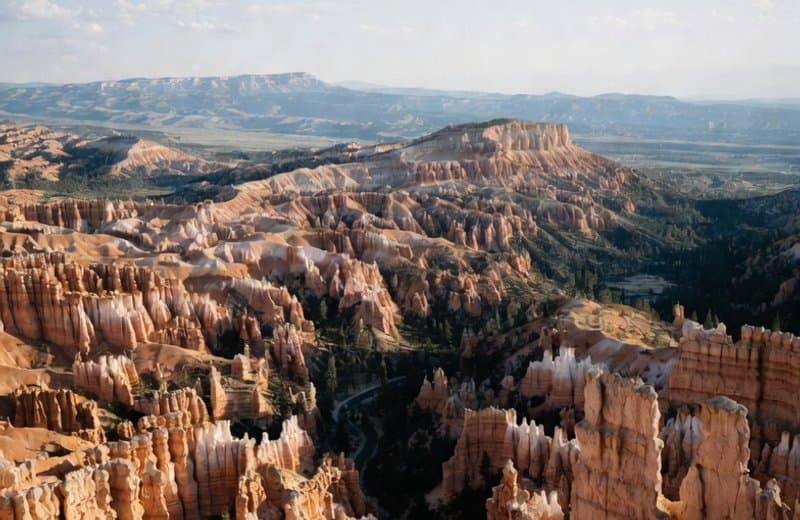
Bryce Canyon and Zion National Park are two of the most visually stunning landscapes in North America — and they're both reachable in a single day from Las Vegas. But the experience changes dramatically depending on when you go. Snow-dusted hoodoos in February look nothing like the wildflower-framed spires of May, and neither looks quite like the golden cottonwoods of October. Every season has a case to make.
The short answer: spring (March–May) and fall (September–November) are the best overall seasons for most travelers — comfortable temperatures, striking scenery, and manageable crowds. But "best" depends on what you're after. This guide breaks down every season honestly so you can choose the right window for your trip.
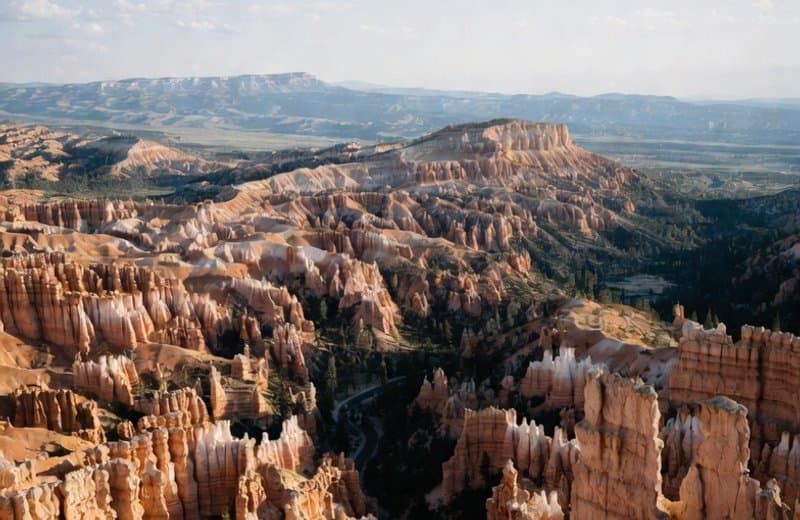
Bryce Canyon's hoodoos look different every season — and every season has something worth seeing
Spring (March – May): Best Overall for Most Travelers
Spring is the season that checks the most boxes. Temperatures at Bryce Canyon rim (elevation 8,000 ft) sit between 30–60°F (0–15°C), with warm afternoons and cool mornings. Down in Zion Canyon, lower elevation brings pleasant 50–75°F days — ideal for walking the Pa'rus Trail or gazing up at the towering sandstone walls from the canyon floor. Wildflowers begin blooming across the parks from April onward, and late spring snow on the hoodoos creates some of the most dramatic photographs of the entire year.
- Pros: Stunning contrast of snow or wildflowers on hoodoos, mild temperatures in Zion, all major viewpoints and trails accessible, vibrant colors throughout
- Cons: Spring break (late March to mid-April) brings some of the year's highest visitor numbers — expect full parking lots and busier shuttle buses at Zion. Some higher trails at Bryce may still be muddy or icy in March
- Best months: April and May — snow has mostly cleared, wildflowers are peaking, and crowds ease after spring break
- Book ahead: 2–3 weeks for April; last-minute often works in early May
Summer (June – August): Long Days, Big Crowds, Real Heat
Summer means maximum daylight and every trail open — including the iconic Angels Landing and the full Narrows route in Zion. The higher elevation at Bryce keeps temperatures reasonable (50–80°F at the rim), which makes it a rare cool refuge in a region that bakes in July. But Zion Canyon is a different story: temperatures at the canyon floor can hit 100°F (38°C) in July and August, and the shuttle system runs at full capacity with significant waits.
The other summer factor is afternoon thunderstorms. The Southwest's monsoon season runs July through September, bringing fast-moving storms in the afternoons. Most tours are back on the road before they hit, but it's worth knowing about.
- Pros: Longest days (extra time at both parks), all trails accessible, lush green canyon vegetation in Zion, cool respite at Bryce rim
- Cons: Heavy crowds at Zion (shuttle waits, packed viewpoints), heat in lower Zion elevations, afternoon monsoon storms, highest prices and demand
- Essential gear: 2+ liters of water per person, sunscreen, hat, lightweight breathable clothing
- Best months: June (before peak heat and crowds) or late August (after the busiest weeks)
Small-Group Tour · Full Day · Hotel Pickup
Bryce Canyon & Zion National Parks
Hotel pickup included · Both parks in one day · Free cancellation
Fall (September – November): The Photographer's Season
Fall is the other top pick — and for photography and atmosphere, it may be the best of all. September brings cooling temperatures without the cold, crowds thin out noticeably after Labor Day, and the cottonwood trees along the Virgin River in Zion turn brilliant gold and orange from mid-October onward. At Bryce Canyon, the warm amber light of fall afternoons makes the hoodoos glow like embers.
October is the sweet spot: highs in the 60s°F at Zion, highs in the 40–50s°F at Bryce Canyon rim, light crowds, and the kind of rich color that doesn't exist in any other season. Nights get cold quickly, but day tours are long finished before that matters.
- Pros: Fall foliage in Zion Canyon (mid-October peak), cooler and more comfortable temperatures, significantly fewer crowds than summer, excellent photography light
- Cons: Shorter daylight hours than summer; some visitor services and shuttle routes begin to reduce in November; November mornings at Bryce can be well below freezing
- Best months: September and October — the clearest case for fall travel
- Book ahead: 1–2 weeks is usually fine, except around Labor Day weekend
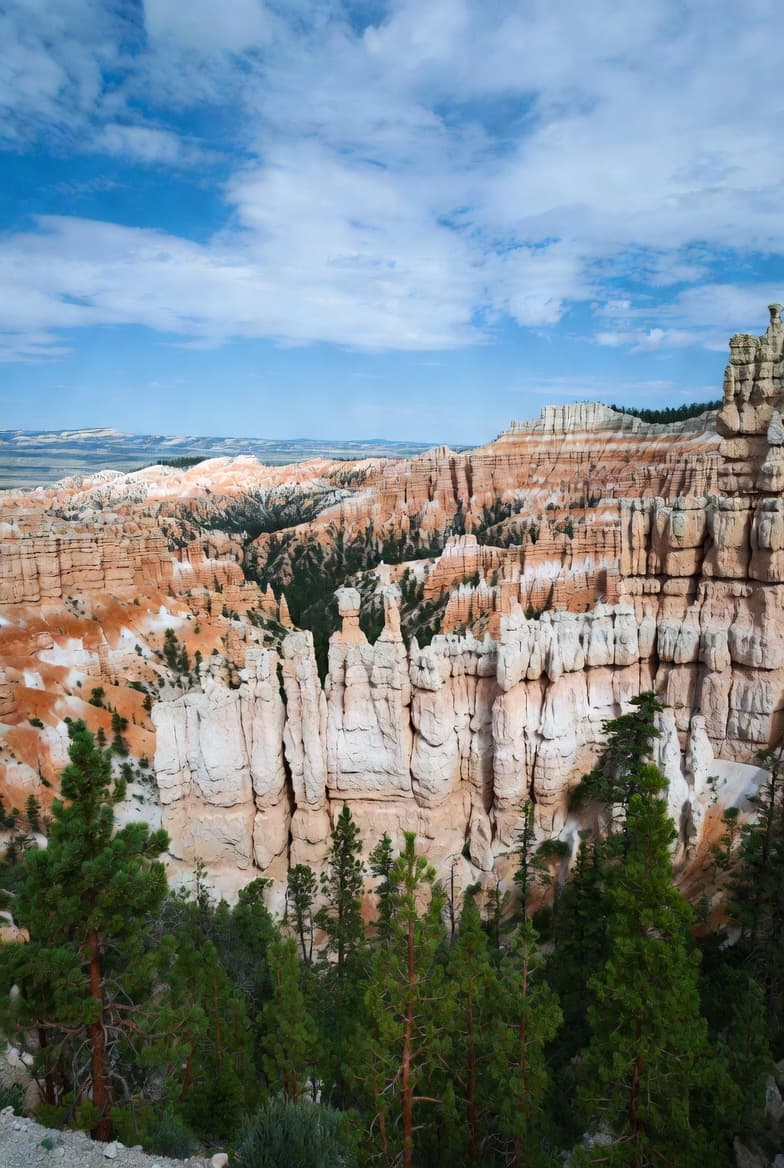
Fall light on Bryce Canyon's hoodoos — October brings warm colors and far fewer crowds
Winter (December – February): Snow on Hoodoos, Zero Crowds
Winter is the most underrated season for Bryce Canyon specifically. The park sits at high elevation and receives significant snowfall — and when fresh snow settles on the orange and red hoodoos, the visual contrast is extraordinary. Photographers who visit in January or February often say it's the most memorable scenery they've ever seen.
Zion in winter has a different, quieter character. The canyon walls are still towering and impressive, the crowds are minimal, and the cooler air makes the walking more comfortable than summer. The trade-off is that some roads and higher trails in both parks may be closed due to ice or snow, and the Zion shuttle runs on a reduced schedule.
- Pros: Snow-dusted hoodoos create world-class photography conditions, virtually no crowds at either park, unique and memorable atmosphere, cooler temperatures in Zion
- Cons: Some trails and roads may be closed or icy (especially at Bryce), short daylight hours (sunset around 5 PM), temperatures at Bryce rim can drop below 0°F (-18°C) overnight — though daytime highs are usually 25–40°F. Layers are essential
- Best months: January and February for maximum snow coverage and minimum crowds
- Best for: Repeat visitors, photographers, anyone who prioritizes solitude and dramatic scenery over trail access
Month-by-Month Quick Reference
What to Wear and Pack by Season
Bryce Canyon and Zion have very different elevations — Bryce sits around 8,000 feet, while Zion Canyon floor is under 4,000 feet. That means temperatures can differ by 20–30°F between the two parks on the same day. Layering is always the right strategy.
- Spring (March–May) — Layers are essential. Start with a fleece or light jacket for Bryce in the morning; you'll likely shed it by Zion in the afternoon. Waterproof shoes in March–April in case of mud or lingering snow. Sunscreen even on cool days — elevation amplifies UV exposure.
- Summer (June–August) — Lightweight, breathable clothing. Wide-brim hat and SPF 50+ sunscreen are non-negotiable at Zion. Bring at least 2 liters of water per person. A light layer for the Bryce rim, which stays cooler.
- Fall (September–November) — Mid-layers for cool mornings at Bryce. Comfortable walking shoes for Zion. October evenings cool fast — bring a jacket even if the afternoon feels warm.
- Winter (December–February) — Warm base layer, insulated jacket, hat and gloves are required at Bryce. Waterproof boots strongly recommended (snow and ice on walkways). Zion is milder but still cold — a fleece or light down jacket is appropriate.
Frequently Asked Questions
Can you visit both Bryce Canyon and Zion in one day from Las Vegas?
Yes — the Marvittours Bryce & Zion tour is specifically designed to cover both parks in a single long day, with hotel pickup from Las Vegas. You spend the morning at Bryce Canyon and the afternoon at Zion, returning to Las Vegas by evening. It's a full day (roughly 13–14 hours door to door), but entirely doable and deeply worth it.
Do you need reservations to enter Bryce Canyon or Zion?
Zion National Park requires a timed-entry permit during peak season (typically April through October) for private vehicles entering Zion Canyon. The park's shuttle system is the required way to access most canyon viewpoints during this period. On the Marvittours tour, all logistics — including park entry and shuttle coordination — are handled for you. No permit research required.
How cold does Bryce Canyon get in winter?
Daytime highs at the Bryce Canyon rim range from 25–40°F (-4 to 4°C) in January and February. Overnight temperatures can drop well below 0°F, but since day tours return before sunset, that's rarely a factor. The bigger concern is wind chill at exposed viewpoints — a warm jacket, hat, and gloves are essential. The cold is manageable with the right gear, and the snowy scenery is genuinely spectacular.
Is Zion crowded in summer?
Summer is Zion's busiest season by a significant margin. July and August see some of the highest daily visitor counts in the park's history. The mandatory shuttle system helps manage vehicle traffic, but expect waits at shuttle stops and crowded viewpoints at peak midday hours. The good news: on a guided tour, your guide navigates the logistics and knows which spots are worth stopping at and when. Arriving with a group in a van also avoids the private vehicle permit requirements.
Small-Group Tour · Full Day · Hotel Pickup
Bryce Canyon & Zion National Parks
Hotel pickup included · Both parks in one day · Free cancellation